Pest Control Contract: 6 Free Templates to Copy and Use
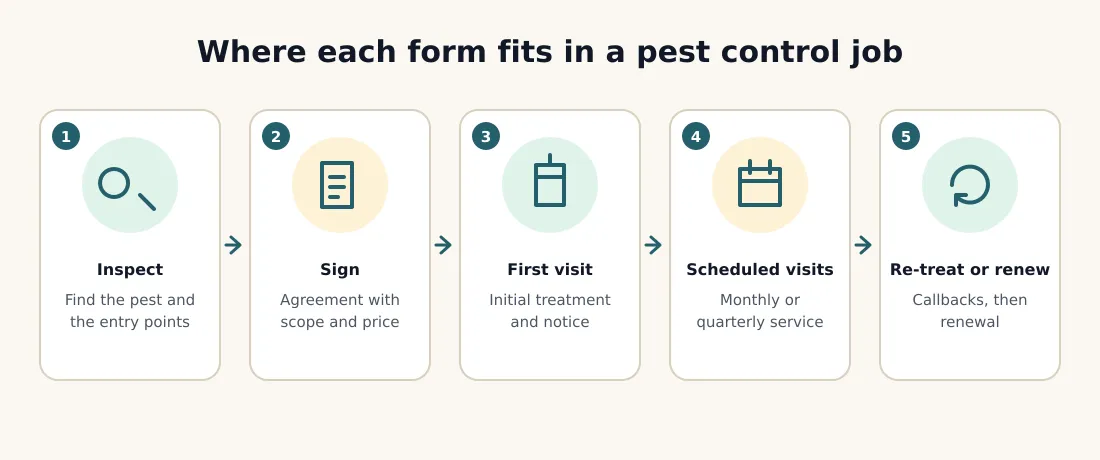
A pest control contract names the pests covered, the areas treated, the visit schedule, the price, the guarantee and how either side can cancel. Six templates to copy: one-time treatment, recurring home service, commercial service, termite treatment, a prep sheet and a service record.
Josh · Nov 14, 2026 · 16 min read
- pest control contract
- pest control contract template
- pest control service agreement
- termite contract
- commercial pest control contract
- pest control business
A pest control contract is a written agreement between a pest control company and a customer. It names the pests covered, the areas treated, the visit schedule, the price, the guarantee and the way either side can cancel. The six templates below cover a one-time treatment, recurring home service, a commercial account, termite work, a treatment prep sheet and a service visit record. Copy one into a document, replace the brackets with your own details, and check it against your state's pest control rules before you use it.
What a pest control contract has to cover
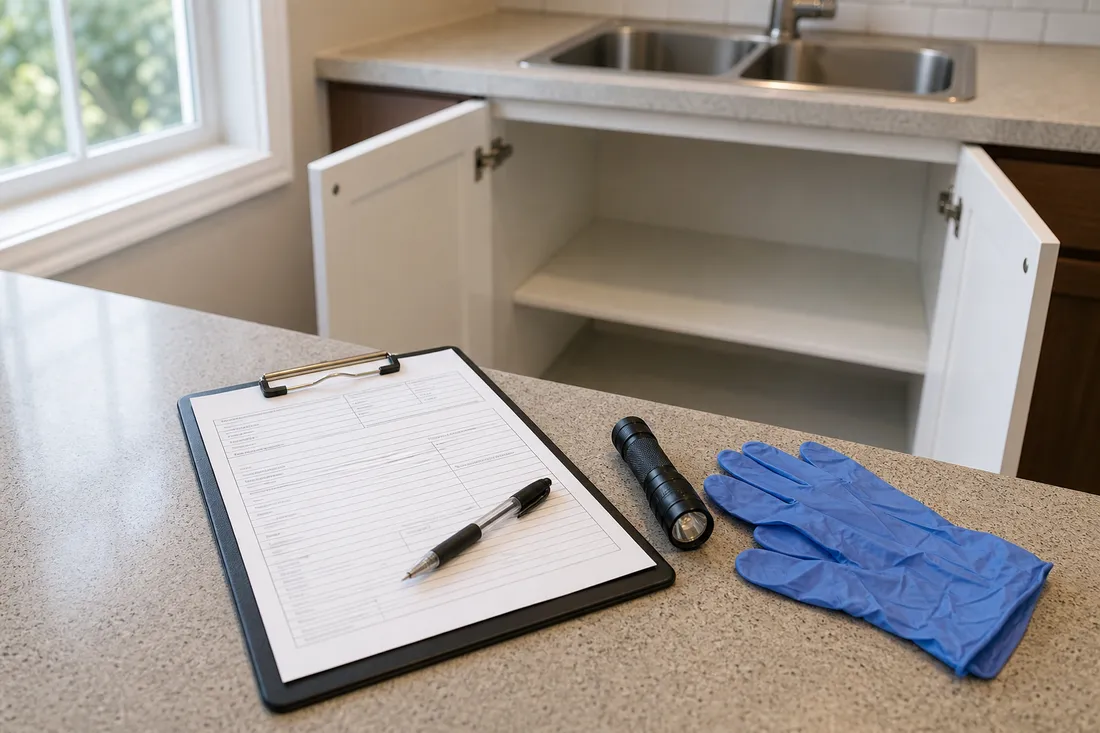
Briostack breaks a pest control contract into seven parts: scope of work, service frequency, pricing and billing, service limitations, renewal and cancellation terms, guarantees, and signatures. UpCounsel's list adds customer responsibilities and limits on liability. Together they give you the core of every form below.
| Part | What to write | Example line |
|---|---|---|
| Parties | Your business name, address and license number, plus the customer's name and service address | "Service address: 2210 Alder Ct" |
| Pests covered | The pests you will treat, and the ones you will not | "Covers ants, roaches, spiders. Termites not included." |
| Areas treated | Rooms, exterior zones, outbuildings | "Interior baseboards, garage, exterior perimeter" |
| Schedule | First visit, then how often you return | "Initial visit Dec 3, then every three months" |
| Price and payment | Price per visit or per term, due dates, accepted methods | "Billed after each visit, due in 15 days" |
| Guarantee | When you come back at no charge, and what ends that promise | "Free re-treatment between scheduled visits" |
| Customer duties | Access, preparation, sanitation, pets | "Customer clears floor of lower cabinets" |
| Cancellation | Notice period and any fee | "Either party may cancel with 30 days' written notice" |
| Signatures | Both parties, with dates | "Signed and dated by both" |
UpCounsel makes one point worth copying into your scope: spell out the difference between controlling pests and eradicating them completely. A customer who reads "control" as "never see another ant" will call you angry in week three. Say what result you are promising and what you are not.
The same goes for the pest list. The sample contract used for Iowa schools names the pests it includes, such as rats, mice, cockroaches, ants, flies and spiders. It then lists what is excluded, including birds, bats, snakes, termites and mosquitoes. Your contract should do both.
Rules to check before you send it
Pest control paperwork is shaped by pesticide law as well as contract law. Four rules show how much your state can add to a basic template.
Start with licensing. The EPA says federal law requires anyone who applies or supervises restricted use pesticides to be certified, and that states, territories and tribes do the certifying. It also notes that many states require all commercial applicators to be certified, not only those using restricted products. Put your business license number and the applicator's certification number on every contract.
In California, a registered structural pest control company must give the owner and any tenant clear written notice. The notice names the pest to be controlled, the pesticide and its active ingredients, and a caution statement set out in the law. When there is a contract for periodic service, it also states how often treatment will be done. For Branch 2 and Branch 3 registered companies, the notice is due no later than the application itself. Under a periodic contract it is needed only at the first treatment, unless the pesticide changes.
In Florida, a contract to treat wood-destroying organisms must say on its first page, in bold print, which kind of promise it makes. The choices are repair and retreatment, retreatment only, or no warranty or guarantee. Any disclaimers or exclusions must also be flagged on the first page in bold. If the contract has them, you cannot pair "full" or "unlimited" with "guarantee" or "warranty."
In Texas, a written estimate for termite or other wood-destroying insect treatment must come with disclosure documents. They include the business name and license number, a diagram of the structure with the areas to be treated, the pesticide label and the complete details of any warranty. Texas also requires a pest control sign at least 48 hours before a planned indoor treatment at a rental property with five or more units, and at a workplace.
The FTC's Cooling-Off Rule can apply when you sell door to door. It covers sales of $25 or more made at the buyer's home, and the buyer can cancel until midnight of the third business day after the sale. The seller must give a dated contract and two copies of a cancellation form. The FTC says the rule does not cover sales made entirely online, by mail or by telephone. If your techs sell recurring plans on the doorstep, ask a lawyer how the rule and your state's version apply to you.
Check your own state's pest control regulator before you rely on any template. The EPA points customers to their state department of agriculture to verify a license, so that office is a sensible first call.
Template 1: One-time treatment agreement
A single visit for a wasp nest, a mouse problem or a flea treatment needs a short form. This one fits on a page and can be signed at the door.
ONE-TIME PEST TREATMENT AGREEMENT

Date: [date]
Company: [company name], [address], [phone], [email]
Business license no.: [number]
Applicator: [name], certification no. [number]
Customer: [name], [service address], [phone], [email]

1. PEST AND AREA
Target pest: [pest]
Areas to be treated: [rooms, exterior zones]
Not included: [pests or areas not covered]

2. TREATMENT
Method: [bait / spray / dust / traps / removal]
Products to be used: [product name, active ingredient]
Product labels are available on request. All products are
applied according to their label directions.

3. PRICE
Treatment price: $[amount]
Payment due: [on completion / within ___ days]
Accepted methods: [cash / check / card]

4. FOLLOW-UP
If the target pest is still active after [number] days,
Company will return once within [number] days at no charge.
This follow-up does not cover other pests or new infestations.

5. CUSTOMER PREPARATION
Customer will complete the preparation steps given by Company
before the visit and keep people and pets out of treated areas
for the time stated by the applicator.

6. LIMITS
This agreement is for control of the target pest in the areas
listed. It is not a promise that the pest will never return.

Customer signature: ____________________  Date: ________
Company signature:  ____________________  Date: ________
Fill in the product line before you arrive when you can. The EPA tells customers that reliable applicators will share their license and copies of the labels for the pesticides they use. Having it on the form answers the question before it is asked.
Template 2: Recurring residential service agreement
Recurring plans are where the wording matters most, because the same terms repeat at every visit. UpCounsel says a contract with periodic visits should state whether they are monthly, every two months or quarterly. This template uses quarterly visits, which you can change in one line. The term in section 1 is a placeholder, so set the length that suits your pricing.
RESIDENTIAL PEST CONTROL SERVICE AGREEMENT

Date: [date]
Company: [company name], [address], [phone], [email]
Business license no.: [number]
Customer: [name], [service address], [phone], [email]

1. TERM
This agreement starts on [date] and runs for [12] months.
It then continues [month to month / for another term] unless
either party gives [30] days' written notice.

2. PESTS COVERED
Covered: [ants, cockroaches, spiders, silverfish, mice]
Not covered: [termites and other wood-destroying organisms,
bed bugs, mosquitoes, wildlife, birds]
Pests not covered can be quoted separately.

3. SERVICE SCHEDULE
Initial service: [date], interior and exterior
Regular service: every [3] months, [exterior / interior and
exterior]
Company will give notice of each visit by [phone / email]
at least [number] days ahead.

4. WHAT EACH VISIT INCLUDES
Inspection of [listed areas]
Treatment where pest activity or risk is found
A written record of findings and any products applied

5. PRICE
Initial service: $[amount]
Each regular service: $[amount]
Billing: [after each visit / monthly]
Payment due within [number] days of invoice.
Late payments: [terms allowed in your state]

6. RE-TREATMENT GUARANTEE
If covered pests return between regular services, Company
will re-treat at no charge within [number] business days of
Customer's request. The guarantee applies while the account
is paid up to date.

7. CUSTOMER RESPONSIBILITIES
Provide access to the property on service days.
Follow preparation and re-entry instructions.
Correct conditions Company reports, such as standing water,
open food storage or gaps around doors.

8. CANCELLATION
Either party may cancel with [30] days' written notice.
If Customer cancels before the end of the first term,
a fee of $[amount] applies. [Remove if not used.]

9. LIMITS
This agreement is for control of covered pests, not their
permanent elimination. Company is not responsible for damage
caused by pests.

Customer signature: ____________________  Date: ________
Company signature:  ____________________  Date: ________
Keep the cancellation fee modest. UpCounsel's advice is to set a reasonable figure, because a fee that is too high may cost you the customer. A small fee that covers the discounted first visit is easier to defend than a charge for every remaining month.
The EPA also has a view on recurring plans. It says a homeowner's service contract should include periodic inspections, with pesticides applied only when pests are present and cannot be controlled by other means. Section 4 follows that wording, so a visit with no activity is still a completed visit.
Template 3: Commercial pest control agreement
Restaurants, warehouses, schools and property managers want more paperwork than a homeowner does. The EPA describes Integrated Pest Management as four steps: set action thresholds, monitor and identify pests, prevent them, and then control them. The Iowa school sample contract is built the same way, with an inspection first and a written plan of work before service begins.
COMMERCIAL PEST CONTROL SERVICE AGREEMENT

Date: [date]
Company: [company name], [address], [phone], [email]
Business license no.: [number]
Client: [business name], [site address]
Client contact: [name, title, phone, email]

1. TERM
[12] months from [start date]. Renewal: [terms].

2. PESTS INCLUDED
[rats, mice, cockroaches, ants, flies, spiders, stored
product pests]

3. PESTS EXCLUDED
[birds, bats, wildlife, termites and other wood-destroying
organisms, mosquitoes]

4. INITIAL INSPECTION AND PLAN
Company will inspect the site before the first service and
give Client a written plan that lists:
  a. Problem areas and conditions that support pests
  b. Monitoring methods and device locations
  c. Products and equipment to be used, with current labels
     and safety data sheets
  d. The service schedule

5. SERVICE SCHEDULE
Regular service: [weekly / twice a month / monthly]
Service window: [days and hours]
Emergency callbacks: within [number] hours, [included /
billed at $___ per visit]

6. METHODS
Company will use monitoring, trapping, exclusion advice and
sanitation recommendations first. Pesticides are applied only
where monitoring shows a need and according to the label.

7. RECORDS
Company will keep a service log at the site with the date of
each visit, findings, device checks, and any product applied
with the amount and location.

8. NOTICES
Company will provide any treatment notice or sign required by
state law. Client will post it where required.

9. CLIENT RESPONSIBILITIES
Provide access, including locked areas, on service days.
Act on written sanitation and repair recommendations within
[number] days.

10. PRICE
$[amount] per [month / visit], invoiced [monthly].
Payment due within [number] days.

11. INSURANCE AND LICENSES
Company will provide copies of its pest control license,
applicator certifications and certificate of insurance on
request.

12. TERMINATION
Either party may end this agreement with [30] days' written
notice.

Client signature:  ____________________  Date: ________
Company signature: ____________________  Date: ________
Section 8 is there because notice rules bite hardest on commercial sites. Texas, for one, requires its sign 48 hours ahead of a planned indoor treatment at workplaces, hotels, schools, warehouses and food-processing sites. Agreeing in the contract who posts it saves an argument later.
Template 4: Termite treatment and warranty agreement
Termite work is where contract rules get strict, so give it a separate form. The EPA says termite control is customarily guaranteed for one to five years. It also tells customers to find out what the guarantee covers, whether there is a yearly inspection charge, and who pays for structural damage if the treatment fails. Answer all three in writing.
TERMITE TREATMENT AND WARRANTY AGREEMENT

[State on the first page, in bold, the type of warranty:
REPAIR AND RETREATMENT / RETREATMENT ONLY / NO WARRANTY]

Date: [date]
Company: [company name], [address], [phone], [email]
Business license no.: [number]
Applicator: [name], termite category certification no. [number]
Customer: [name], [property address], [phone], [email]

1. STRUCTURE
Structure(s) covered: [house, attached garage, detached shed]
Construction type: [slab / pier and beam / basement]
A diagram of the structure showing areas of activity and
areas to be treated is attached.

2. TARGET ORGANISM
[subterranean termites / drywood termites / other]

3. TREATMENT
Type: [full / partial / spot / bait system]
Product: [name, active ingredient, concentration]
Bait stations, if used: [number and locations]
The product label is attached.

4. PRICE
Treatment price: $[amount]
Deposit: $[amount], due [date]
Balance due: [on completion]

5. WARRANTY
Warranty period: [number] year(s) from the treatment date.
During the warranty period Company will:
  [ ] re-treat at no charge if live termites are found
  [ ] repair new termite damage up to $[amount]
Not covered: [damage that existed before treatment, other
wood-destroying organisms, areas not treated]

6. ANNUAL INSPECTION AND RENEWAL
Company will inspect the structure each year.
Annual renewal fee: $[amount], due [date].
The warranty ends if the renewal fee is not paid.

7. CUSTOMER RESPONSIBILITIES
Keep soil, mulch and wood away from siding.
Fix leaks and drainage problems Company reports.
Tell Company before any addition, slab work or landscaping
that disturbs treated soil.

Customer signature: ____________________  Date: ________
Company signature:  ____________________  Date: ________
The bracketed line at the top comes straight from Florida's rule, and it is a good habit in any state. A customer who sees "retreatment only" in bold on page one cannot later say they were promised repairs. The diagram and attached label match what Texas asks for in its disclosure documents.
Watch how you describe pricing in the estimate that goes with this form. The EPA warns customers about companies that quote termite work per gallon, since a job can take several hundred gallons of diluted product. Quote the job, not the gallon.
Template 5: Treatment preparation and re-entry sheet
A treatment works better in a room that is ready for it. Hand this sheet over when the customer books, and get it signed before you treat. The steps come from the EPA's advice to customers on cooperating with a pest control company.
TREATMENT PREPARATION AND RE-ENTRY SHEET

Customer: [name]          Service address: [address]
Treatment date: [date]    Arrival window: [time]
Pest: [pest]              Product(s): [name, active ingredient]

BEFORE WE ARRIVE
[ ] Remove personal items from floors in the rooms listed
[ ] Empty kitchen and bathroom cabinets marked below
[ ] Remove pets from the treatment area
[ ] Remove aquariums, or cover them with heavy plastic and
    turn off the air pump
[ ] Store food, dishes and children's toys out of the area
[ ] Other: [instructions]

Rooms and cabinets to prepare: [list]

AFTER TREATMENT
Keep children and pets out of treated areas until the spray
has dried, or for [number] hours if the label requires longer.
Do not mop treated baseboards for [number] days.
Call [phone] with any questions or concerns.

Customer has received [any notice required by state law].

Customer signature: ____________________  Date: ________
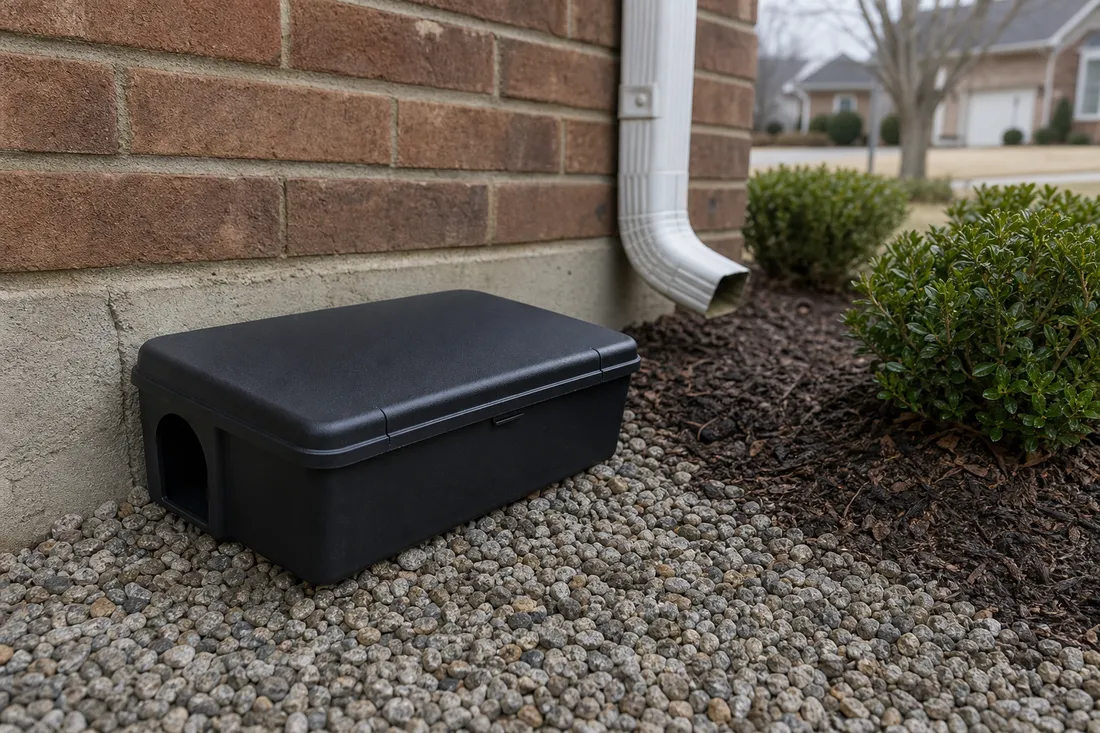
Re-entry time is not yours to choose. The EPA puts it plainly: the label is the law, and using a product in a way that conflicts with its labeling violates federal law. Copy the interval from the label onto this sheet for each product you apply.
Template 6: Service visit record and re-treatment request
A guarantee only works if you can show what you did and when. This record covers a regular visit and a callback on the same form. Leave a copy with the customer and keep one in the job folder.
SERVICE VISIT RECORD

Date: [date]              Time in / out: [time] / [time]
Customer: [name]          Service address: [address]
Agreement no.: [number]   Visit type: [regular / re-treatment]
Technician: [name], license or certification no. [number]

FINDINGS
Pest activity found: [pest, location, level]
Conditions noted: [gap under garage door, leak under sink]

WORK DONE
Areas treated: [list]
Product: [name]   Active ingredient: [name]
Amount applied: [amount]   Method: [bait / spray / dust]
Devices checked or replaced: [number and locations]

RECOMMENDATIONS FOR CUSTOMER
[seal gap at garage door, store pet food in a sealed bin]

RE-TREATMENT (complete only for a callback)
Date customer reported activity: [date]
Covered under guarantee: [yes / no, reason]
Charge for this visit: $[amount or 0]

Next scheduled visit: [date]

Technician signature: __________________
Customer signature:   __________________
The Iowa school contract asks the contractor to keep a record of each visit at the site, and your state may ask for similar records of every application. Even where it does not, the findings line protects you. If you noted the gap under the garage door in March, the mice in June are easier to explain.
How to keep contracts organized
The IRS lists invoices, deposit information and receipt books among the documents that support your gross receipts. Your signed agreements and visit records explain those invoices, so store them together by customer.
A simple naming habit helps: customer last name, street, and start date, such as "Okafor-2210Alder-2026-12-03". Keep the signed agreement, the prep sheet and every visit record in one folder. When a customer disputes a renewal or asks for a free re-treatment, you open one folder and see the whole account.
Questions pest control owners ask
Is a pest control contract the same as a service agreement?
Yes, in everyday use. Briostack treats the two terms as the same thing, a written agreement that covers the services, the price, the schedule and what each side must do. Some companies use "service agreement" for recurring plans and "contract" for one-off jobs, but the content matters more than the title.
Does a pest control contract have to be in writing?
It depends on your state and the type of work, so write it down every time. Florida sets rules for the first page of any contract to treat wood-destroying organisms. Texas requires written disclosure documents with a termite treatment estimate. A written agreement also gives you a record if the customer disputes the scope.
How long should a pest control contract last?
It is your choice for recurring service. Pick a term that matches your pricing, state it in the first section, and say what happens when it ends. For termite work, the EPA says guarantees customarily run from one to five years.
Can a customer cancel a pest control contract early?
Yes, if your contract says how. State the notice period and any early cancellation fee, and keep the fee reasonable. Door-to-door sales may also carry a three-business-day right to cancel under the FTC's Cooling-Off Rule.
Should the contract list the pesticides you will use?
Yes where your state requires it, and it is good practice everywhere. California requires a written notice that names the pesticide and its active ingredients. The EPA tells customers to ask for copies of product labels, so listing products up front saves a call.
Let customers request an inspection online
Every contract on this page starts with someone finding droppings in the pantry and looking for help, often at night. Kejoola gives a pest control business a four-page website with Home, Services, Blog and Contact pages and an online booking form. The form asks for a name, email, phone number and a notes box, so a homeowner can describe what they saw and request a visit. You read the request in the morning, call back, and bring the right agreement to the inspection.
Sources
- Briostack: How to Write a Pest Control Contract
- UpCounsel: Pest Control Contract Terms and Key Clauses
- Iowa School IPM: Sample Pest Control Contract
- EPA: Tips for Selecting a Pest Control Service
- EPA: How to Get Certified as a Pesticide Applicator
- EPA: Introduction to Pesticide Labels
- EPA: Integrated Pest Management Principles
- California Business and Professions Code 8538
- Florida Statutes 482.227: Guarantees and Warranties
- Texas Administrative Code 7.174: Treatment Disclosure Documents
- Texas Administrative Code 7.146: Pest Control Sign
- FTC: Buyer's Remorse, the Cooling-Off Rule
- IRS: What Kind of Records Should I Keep